
Mini Games Overview: 6 Popular Titles in Modern Digital Platforms
Mini games are a core category on many modern digital entertainment platforms due to their simplicity, fast interaction cycles, and visually engaging design. Unlike complex game systems, focus on short rounds, clear outcomes, and intuitive mechanics, making them ideal for both casual users and UI/UX demonstration purposes.

BigMumbai On informational and demo platforms, mini games are commonly used to showcase interface clarity, animation flow, and interaction feedback without requiring deep user commitment. This overview introduces six representative mini games that are frequently featured for their clean structure and accessible presentation: Plinko, Hilo, Bomb Wave, Hotline, Mini Roulette, and Treasure Wave.
Plinko –Mini Games Simple Physics and Visual Flow
Plinko is designed around a vertical screen structure where objects travel downward through a sequence of fixed obstacles before arriving at a final destination. This top-to-bottom layout emphasizes gravity-based motion, making the overall flow intuitive and easy to observe. Each movement follows a clear path, allowing viewers to anticipate outcomes as the object progresses through the interface.
From a user interface standpoint, Plinko shows how motion can be the primary driver of engagement without relying on complex controls or dense visual elements. Carefully spaced pegs, smooth falling animations, and clearly defined landing areas work together to communicate the game’s logic at a glance. As a result, users can immediately understand how the system functions, making Plinko a strong example of visual clarity and movement-based design in digital entertainment demos.
Hilo –Mini Games Clean Comparison-Based Design
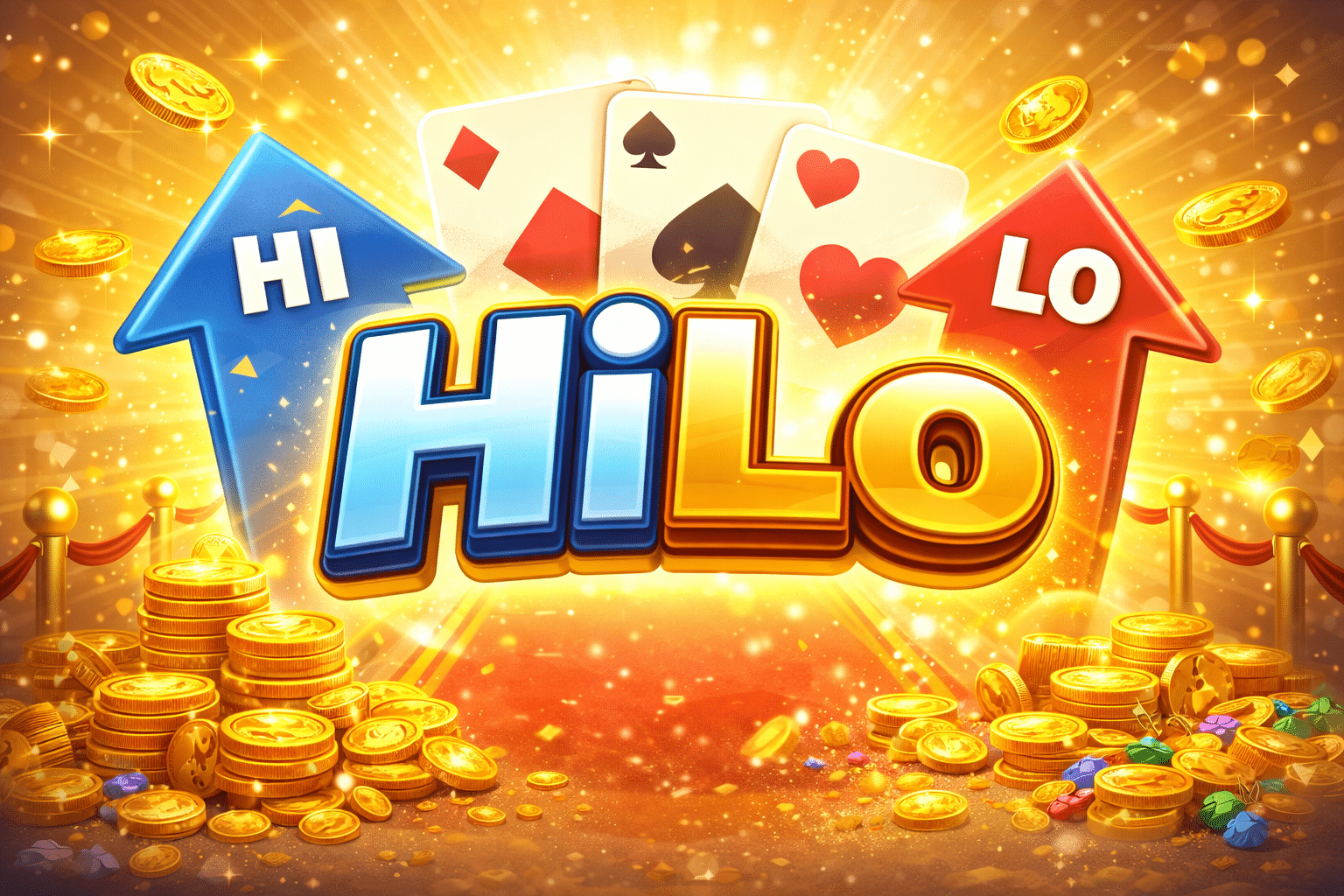
Hilo is built around a straightforward comparison mechanic, typically asking users to decide whether the next value will move higher or lower. The interface is intentionally kept simple, directing attention toward numerical values, contrast between states, and clearly marked outcome indicators. This focused design allows the core interaction to remain easy to understand at all times.
From a design perspective, Hilo is frequently used to highlight the importance of typography and visual hierarchy in mini game layouts. By reducing decorative elements and minimizing visual distractions, the interface ensures that attention remains fixed on the primary decision area. Clear number sizing, balanced spacing, and consistent visual cues make Hilo an effective example of how information clarity can drive usability and create a smooth viewing experience without unnecessary complexity.
Bomb Wave –Mini Games Timing and Visual Feedback
Bomb Wave delivers a more energetic visual experience by centering its design around timing and motion. The interface often incorporates countdown indicators, expanding wave effects, or rhythmic animations that naturally draw attention to key moments within the screen. These elements help users sense progression and anticipate transitions without the need for complex instructions.
From a UI and interaction design perspective, Bomb Wave demonstrates how well-timed visual feedback can strengthen user understanding. Animated effects are applied with restraint, ensuring that motion enhances focus rather than causing distraction. By balancing dynamic visuals with clear spacing and readable elements, the interface maintains clarity while still conveying urgency, making Bomb Wave a strong example of timing-driven design in digital entertainment demos.
Hotline –Fast Interaction and Direct Results
Hotline is built to support rapid decision-making and immediate visual responses. The interface relies on prominent action buttons, high-contrast color choices, and clear result indicators, ensuring that every interaction feels quick and responsive. This design approach suits users who prefer short, decisive interactions without extended steps or explanations.
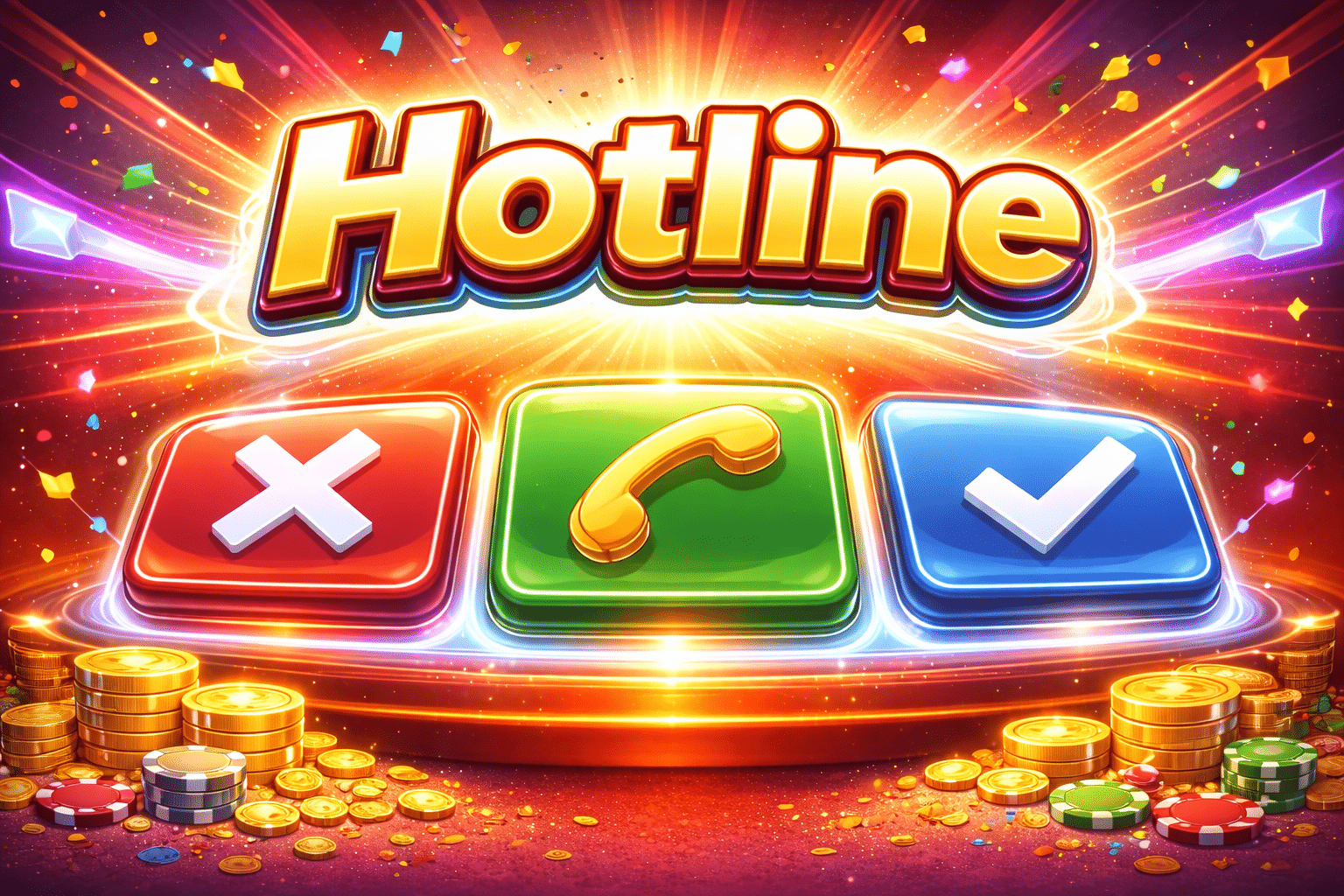
From a design perspective, Hotline is often used to demonstrate how direct interaction models can remain both clear and effective. The layout minimizes unnecessary elements, allowing the core actions to stand out instantly. By presenting feedback the moment a choice is made, the game creates a smooth and intuitive flow that can be understood almost immediately, making it a strong reference for fast-paced interface design.
Mini Roulette –Mini Games Circular Layout and Motion
Mini Roulette reinterprets the traditional wheel concept through a compact and visually centered interface. The design places circular movement at the core of the experience, using clearly defined segments and fluid spinning animations to create a sense of flow and continuity. This circular structure helps users intuitively follow the motion from start to finish.
From a UI/UX standpoint, Mini Roulette highlights the role of movement in directing user attention. The rotation naturally leads the eye toward the stopping point, making the result easy to identify as the motion slows. Thoughtful color differentiation and balanced spacing ensure that each segment remains legible throughout the animation, demonstrating how dynamic motion and clarity can work together in an effective interface design.
Treasure Wave – Themed Visuals with Structured Layout
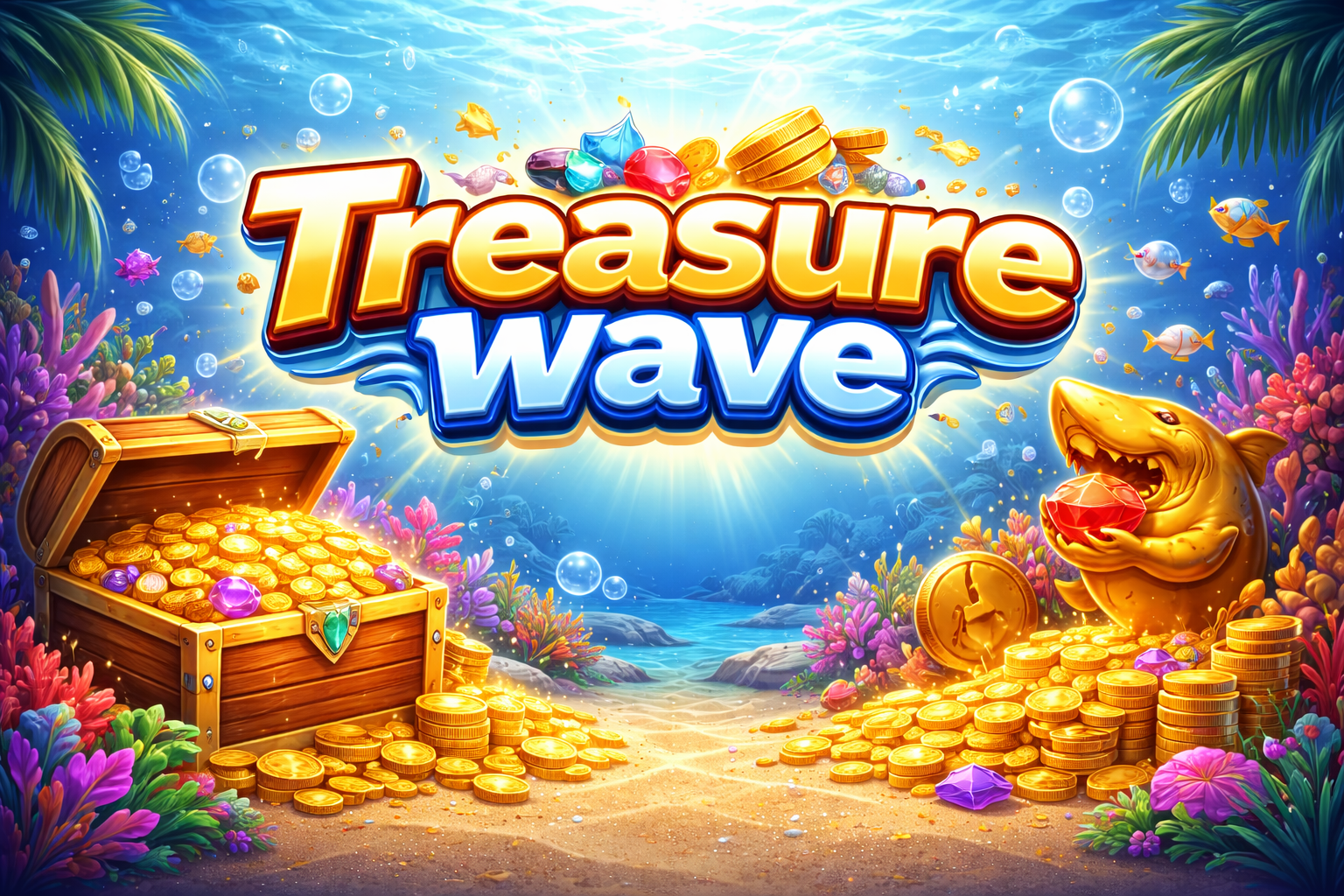
Treasure Wave blends thematic styling with a well-organized interface, creating a visually rich yet readable presentation. The design typically incorporates treasure-related symbols, flowing wave animations, and layered background elements to reinforce the theme, while key interaction zones remain clearly separated and easy to identify. This balance helps prevent visual overload even when multiple effects are active.
From a design reference perspective, Treasure Wave demonstrates how decorative visuals can enhance atmosphere without compromising usability. Animations and effects are positioned to support the overall theme rather than distract from core information. Clear result indicators, consistent spacing, and defined layout boundaries ensure that users can easily follow outcomes, making the game a strong example of combining aesthetic depth with functional clarity in digital entertainment interfaces.
Why Mini Games Are Popular on Demo Platforms
BigMumbai Mini games are frequently featured on demo and informational platforms because they balance simplicity and engagement. These games effectively demonstrate:
- Clear interaction flow
- Short and understandable game cycles
- Visual feedback and animation timing
- Consistent UI structure across different themes
Their compact design makes them ideal examples for showcasing modern digital entertainment interfaces.
Mini Games Informational and Responsible Presentation
On informational websites, mini games such as BigMumbai Plinko, Hilo, Bomb Wave, Hotline, Mini Roulette, and Treasure Wave are presented strictly for demonstration and reference purposes. They do not involve real-money transactions, wagering, or financial participation.
The focus remains on layout design, interaction clarity, and visual presentation, allowing users to explore mini game structures safely and responsibly.
Conclusion
Mini games play an important role in illustrating how digital entertainment platforms deliver fast, accessible experiences through thoughtful design. The six games introduced above highlight different approaches to interaction, motion, and visual structure while maintaining clarity and ease of use.
For users interested in UI/UX design, content organization, or entertainment platform presentation, mini games provide practical and easy-to-understand reference examples without involving real-world value or financial activity.