
Wheel Game – A Simple and Engaging Spin-Based Experience
The BigMumbai.Plus Wheel Game, also known as Wheel Spin or Lucky Wheel, is a simple and visually engaging game built around chance-based mechanics. The main idea is easy to understand: users spin a wheel and wait for it to stop on a specific segment, which determines the result. Because of its simplicity and attractive design, the Wheel-Game is commonly used on informational and demo platforms to demonstrate reward systems, animations, and user interaction flow.
Unlike complex games that require skill or strategy, the Wheel-Game focuses on clear visuals, instant outcomes, and excitement created by motion. This makes it suitable for new users, casual visitors, and anyone who wants a quick and intuitive experience.
Core Concept and Gameplay Flow
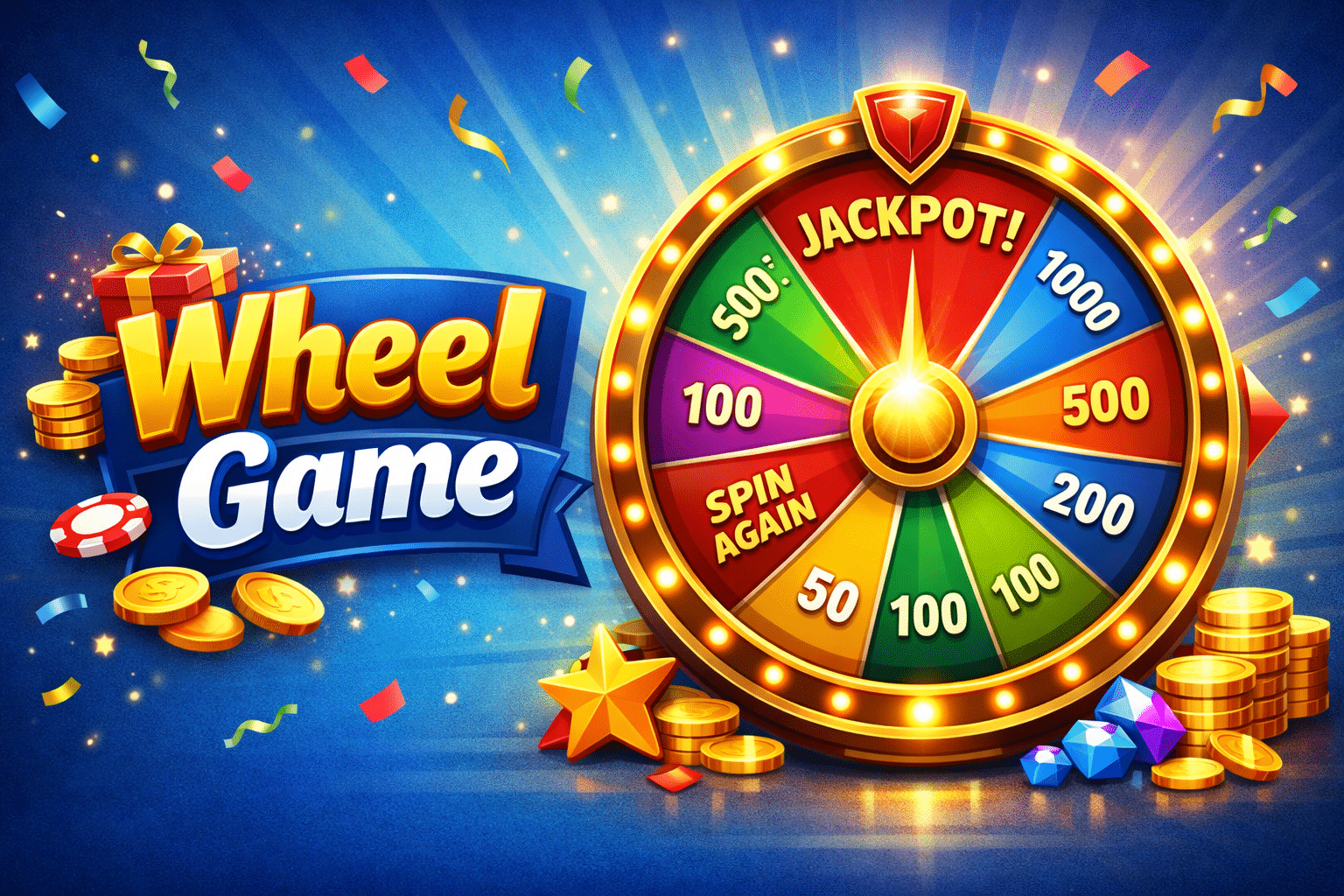
The core concept of the Wheel-Game is based on random selection. The wheel is divided into multiple segments, each representing a different outcome. These outcomes may include points, rewards, virtual items, or simple result labels, depending on how the game is presented.
The typical gameplay flow includes:
The user accesses the Wheel Game interface
The wheel appears with clearly marked segments
The user initiates the spin by clicking a button
The wheel spins with animated motion
The wheel slows down and stops on a random segment
The result is displayed immediately
This straightforward process allows users to understand the game without instructions, making it ideal for demonstration purposes.
Visual Design and User Interface
Visual design plays a key role in the Wheel Game experience. The wheel itself is usually colorful, symmetrical, and easy to read. Each segment is clearly separated, often using contrasting colors and icons to improve visibility.
Common UI elements include:
- A central wheel with evenly divided sections
- A pointer or indicator to show the final result
- A clear “Spin” button
- Simple animations and sound effects
- Result notifications or pop-up messages
These elements work together to create a smooth and enjoyable interaction. On demo websites, the Wheel Game is often used to showcase animation quality, layout balance, and responsiveness across devices.
Animation and Interaction Effects
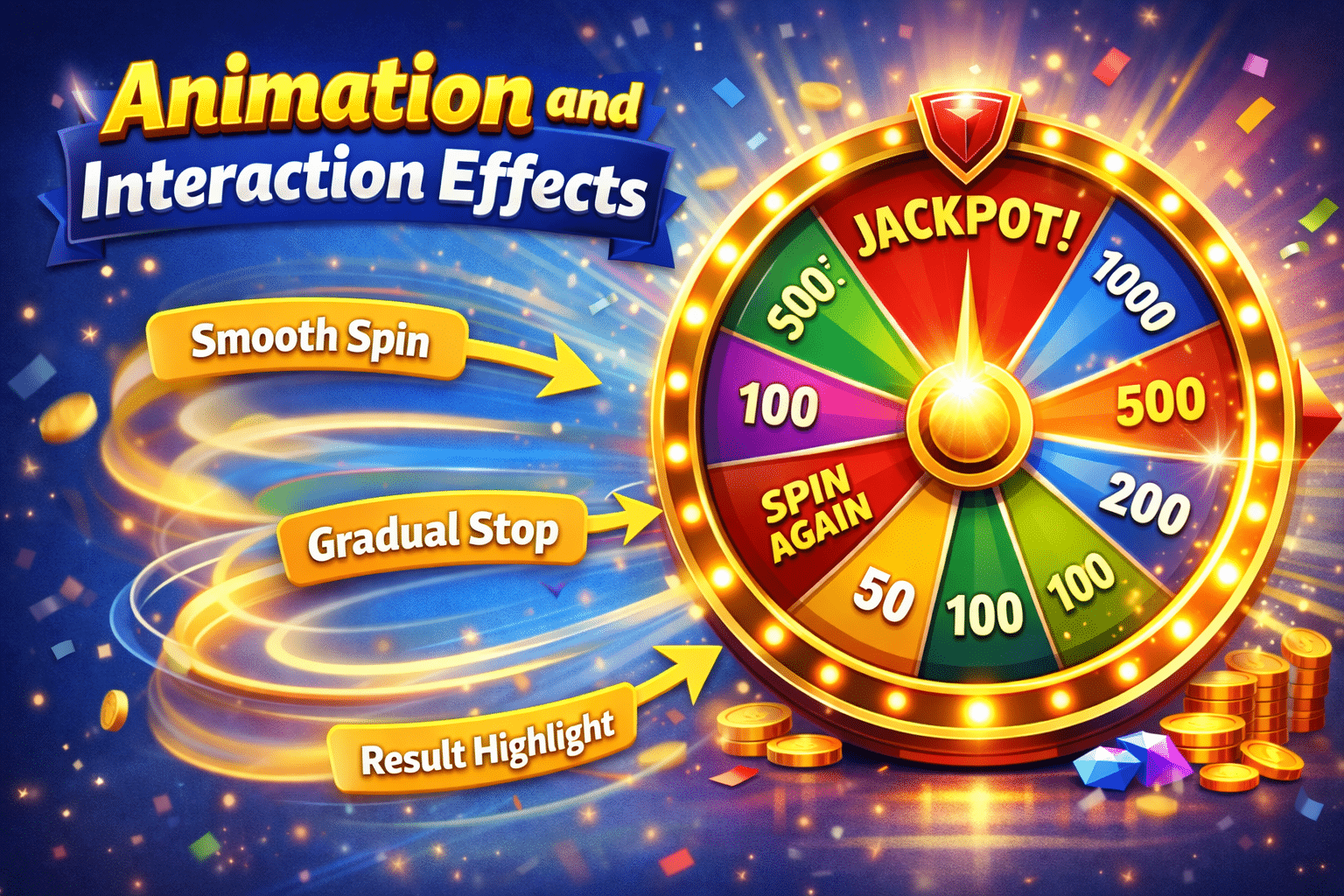
One of the most engaging aspects of the Wheel Game is its animation. The spinning motion creates anticipation and excitement, even though the outcome is determined randomly.
Typical animation features include:
- Smooth rotation with gradual acceleration
- Natural deceleration before stopping
- Highlighting the selected segment
- Visual effects when results are revealed
These effects help maintain user attention and demonstrate how motion design can enhance user experience without adding complexity.
Randomness and Fair Display
In informational and demo environments, the Wheel-Game is designed to demonstrate randomness rather than guarantee specific outcomes. The focus is on showing how random selection systems can be visually presented in a transparent and understandable way.
Important characteristics include:
- Equal visual weight for each wheel segment
- No misleading indicators during the spin
- Clear result display after the spin ends
This approach helps users trust the interface and understand how random-based mechanics are typically represented in digital games.
User Experience and Accessibility
The Wheel-Game is known for being highly accessible. Users do not need prior knowledge, instructions, or long learning curves. The interface is usually optimized for both desktop and mobile devices.
Key user experience advantages include:
- One-click interaction
- Short engagement time
- Clear visual feedback
- Minimal text requirements
These qualities make the Wheel Game especially suitable for demonstration pages, promotional UI examples, and educational content about game design.
Use of the Wheel Game on Demo Platforms
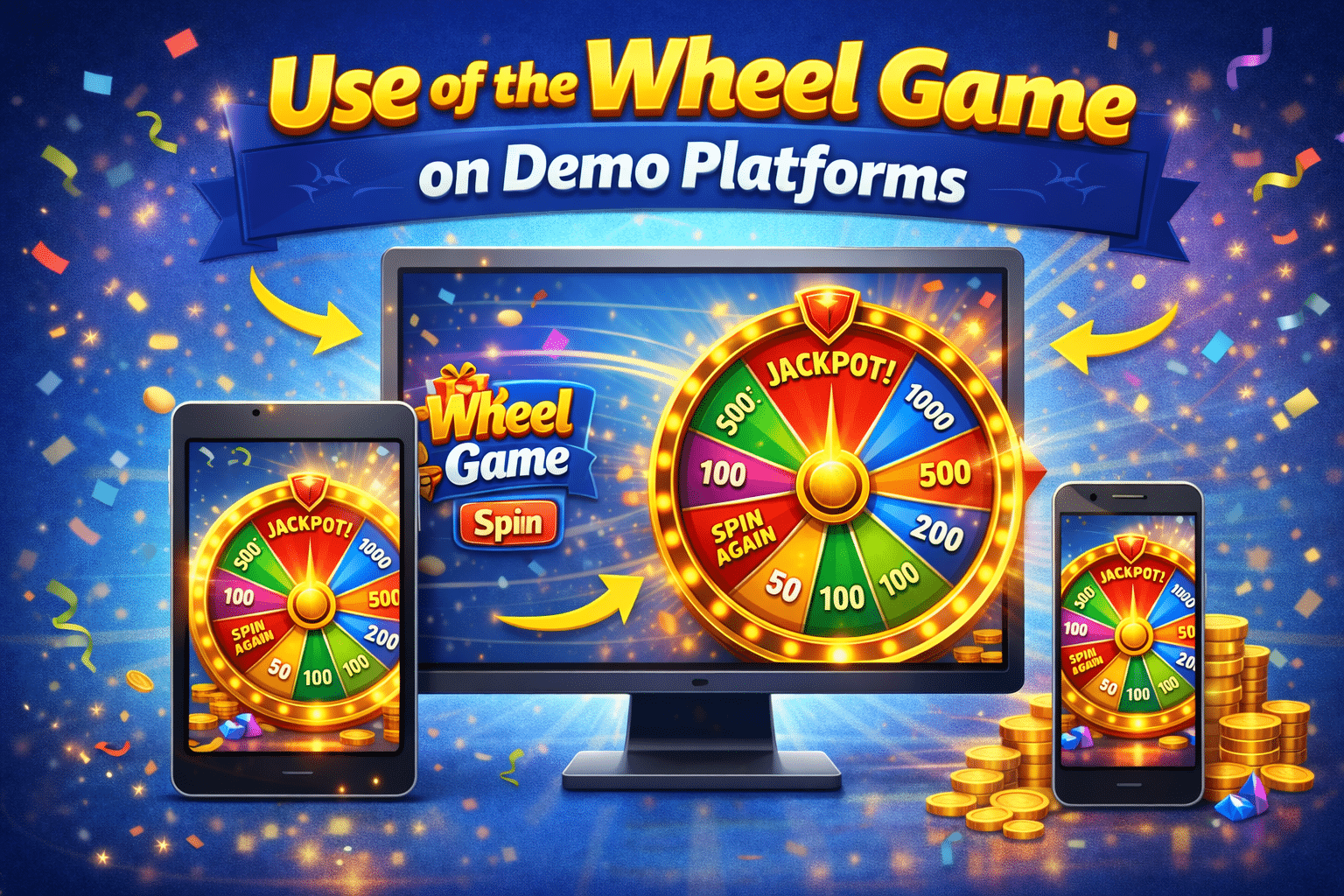
On informational websites, the Wheel-Game is often presented as a sample feature rather than a full game system. Its purpose is to illustrate how reward mechanics, chance-based systems, or interactive components can be integrated into a website layout.
Common demo use cases include:
- Showcasing reward UI concepts
- Demonstrating event or activity layouts
- Explaining spin-based mechanics visually
- Testing animation and responsiveness
In these contexts, the Wheel Game serves as an educational tool rather than a competitive or transactional game.
Customization and Layout Variations
One strength of the Wheel-Game is its flexibility. Designers can easily customize the number of segments, color schemes, labels, and animations to match different themes.
Customization options may include:
- Changing segment count and size
- Updating colors to match brand identity
- Adding icons or symbols to segments
- Adjusting spin speed and animation timing
This flexibility allows the Wheel Game to fit various design styles, from minimal layouts to more vibrant and festive themes.
Security and Responsible Presentation
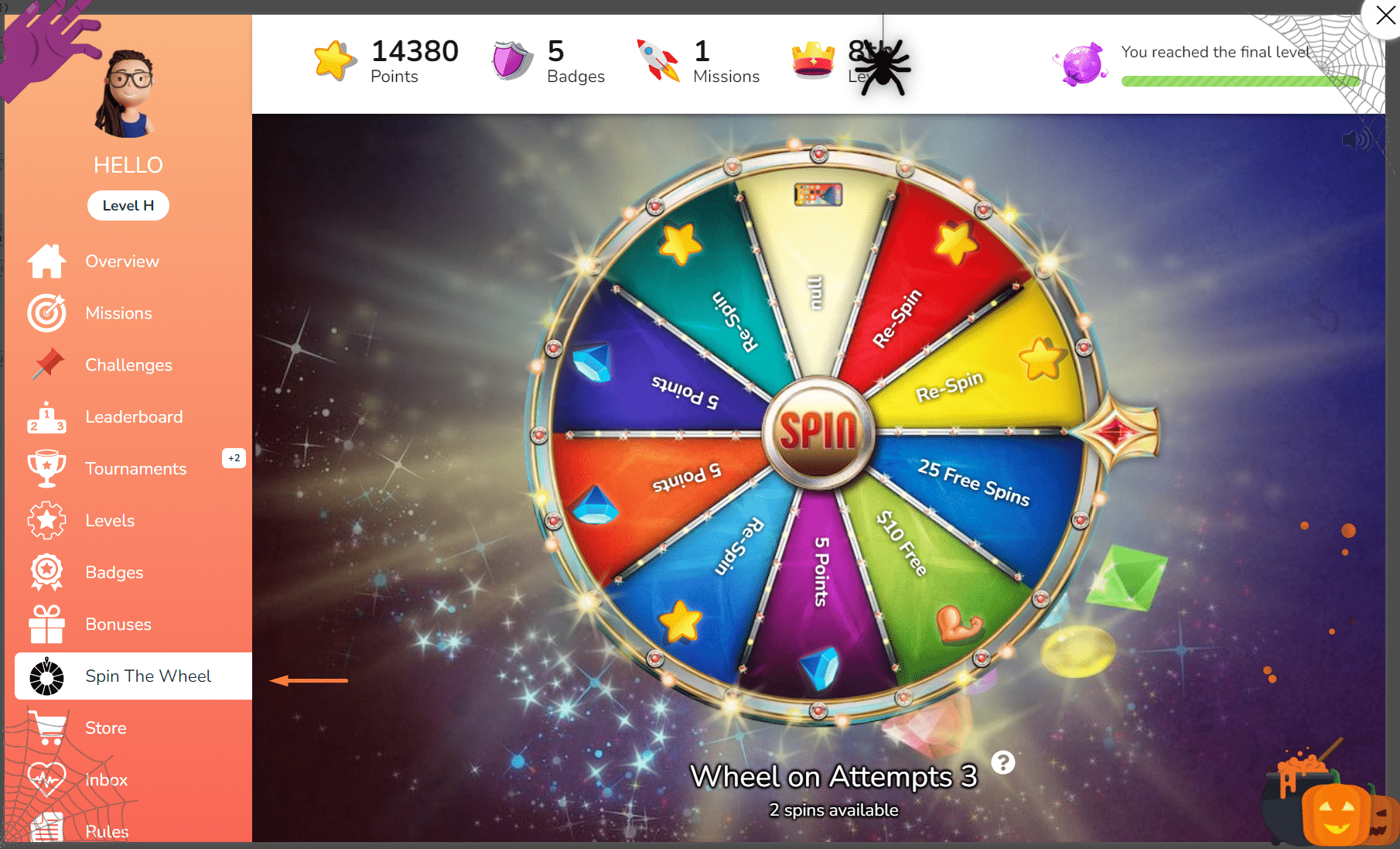
On informational platforms, the Wheel-Game is presented responsibly and transparently. It does not involve real-money transactions or financial risk. The focus remains on visual demonstration and user interaction.
Responsible presentation includes:
- Clear disclaimers about informational use
- No real-value rewards or transactions
- Simple result logic without hidden conditions
This ensures the game remains safe, educational, and suitable for a wide audience.
Why the Wheel Game Remains Popular
The Wheel-Game continues to be popular because it combines simplicity with excitement. Even without complex mechanics, the spinning motion and random outcome keep users engaged.
Reasons for its popularity include:
- Easy to understand
- Fast interaction cycles
- Strong visual appeal
- Suitable for all user levels
These qualities make it a reliable choice for designers and developers looking to demonstrate interactive features.
Educational Value of the Wheel Game
Beyond entertainment, the Wheel-Game also has educational value in UI and UX design. It helps illustrate concepts such as randomness, feedback loops, animation timing, and user engagement.
For beginners learning about interface design, the Wheel Game offers a clear example of how simple mechanics can still create meaningful interaction.
Informational Use Disclaimer
All Wheel-Game content presented on this website is for informational and demonstration purposes only. The game does not involve real-money rewards, financial participation, or gambling activities.
Any references to prizes, points, or rewards are purely illustrative and intended to demonstrate interface behavior and content structure.
Conclusion
The Wheel-Game is a classic example of how simple design and clear interaction can create an engaging user experience. With its easy-to-follow mechanics, attractive visuals, and flexible customization options, it remains a popular choice for demo platforms and informational websites.
By focusing on transparency, accessibility, and responsible presentation, the Wheel Game demonstrates how chance-based systems can be displayed in a user-friendly and educational way.