
Fishing Games Overview: 6 Popular Titles in Digital Entertainment
BigMumbai Fishing games are a well-known category in modern digital entertainment platforms, recognized for their colorful visuals, dynamic interactions, and easy-to-understand mechanics. Instead of focusing on complex controls, these games emphasize visual effects, target selection, and reward animations, making them suitable for demonstration and interface showcase purposes.
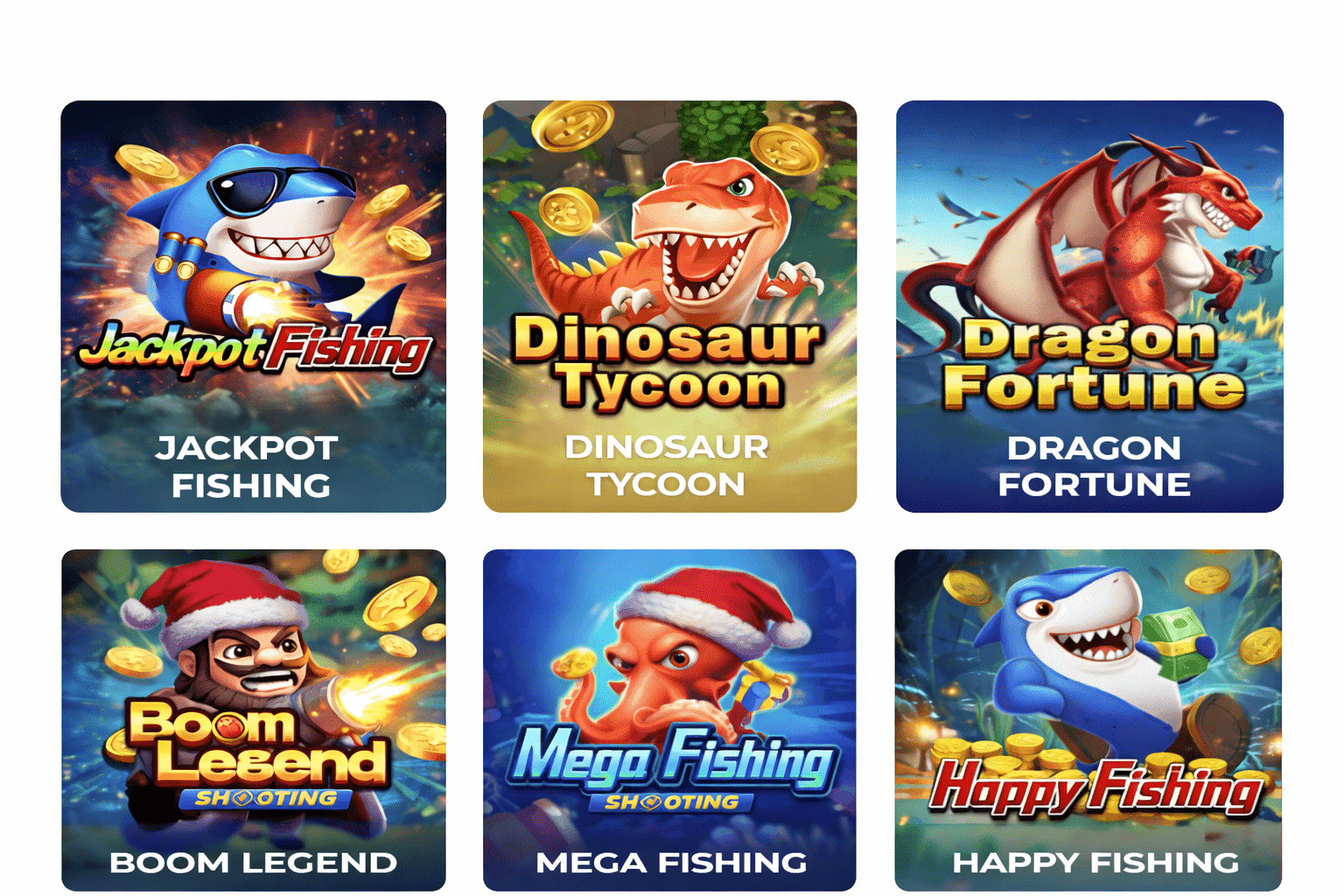
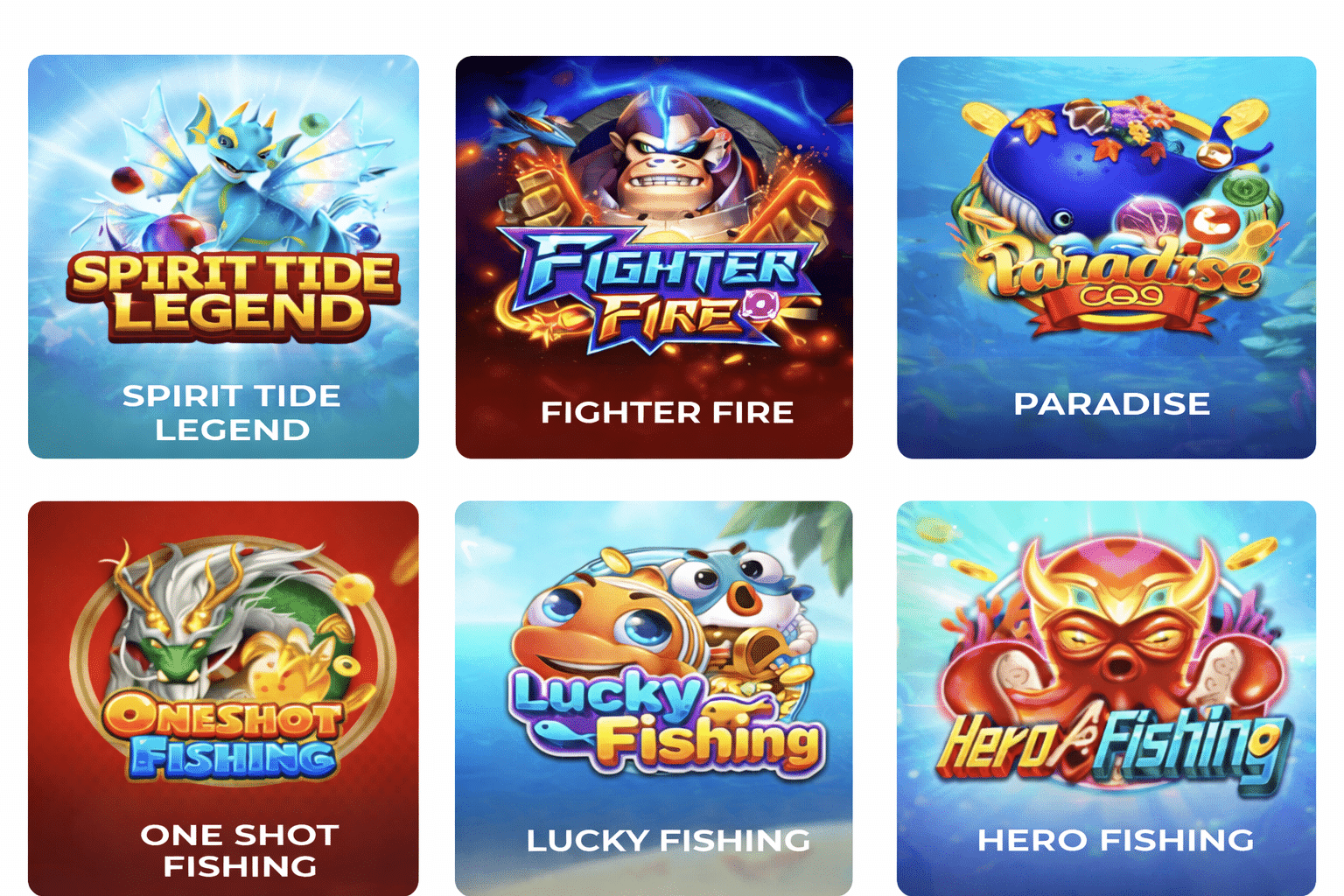
On informational platforms, games are commonly presented to illustrate how interactive content, animation layers, and real-time visual feedback can be integrated into a clean and engaging user interface. This overview introduces six representative games that highlight different design styles and presentation approaches: Spirit Tide, Fighter Fire, Paradise, One Shot Fishing, Lucky Fishing, and Hero Fishing.
These game examples demonstrate how visual storytelling and interaction design can work together to create an engaging digital experience. Each title applies distinct color palettes, animation styles, and interface layouts to present targets, effects, and feedback in a way that is both visually appealing and easy to follow.
Across these games, emphasis is placed on clear target identification, smooth motion effects, and responsive visual cues that guide user attention without overwhelming the screen. The interfaces are designed to remain readable and organized even during active scenes, highlighting how layered animations and real-time elements can coexist within a balanced layout.
By showcasing different approaches to visual hierarchy and interaction flow, these games serve as useful references for understanding how modern entertainment platforms design interactive content. Rather than emphasizing outcomes or rewards, they provide insight into interface composition, animation timing, and user-focused presentation techniques commonly used in contemporary digital entertainment systems.
Spirit Tide – Immersive Ocean Visuals and Smooth Motion (Detailed)
Spirit Tide is built around a deep-ocean concept where the atmosphere is created through layered scenery, moving particles, and smooth underwater motion. Instead of relying on heavy text or complex menus, the game uses visual depth and gentle animation to guide attention. Background layers often feel “alive,” with subtle waves, drifting bubbles, and soft color gradients that make the scene look spacious rather than flat.
A major strength of Spirit Tide is how it handles movement on the screen. Sea creatures are presented with consistent motion patterns, allowing viewers to quickly understand where targets appear and how they travel. The animations are designed to feel continuous rather than jumpy, which helps the overall interface remain comfortable to watch even when multiple elements are active at once. This makes Spirit Tide a strong example of how to create dynamic screens while still keeping readability high.
Lighting and glow effects are also used carefully to highlight key moments. When a target is selected or an interaction is triggered, the game typically emphasizes it with soft highlights, clean outlines, or a brief glow. These visual cues support user understanding without forcing the screen into overly bright or aggressive effects. As a result, the interface remains visually balanced, and important elements stand out naturally.
From a UI design perspective, Spirit Tide demonstrates how depth can be used to organize information. Targets, effects, and feedback elements often sit on different visual layers, helping users separate “what is happening” from “what is decorative.” This layered approach reduces clutter, because the player’s attention stays on the active area while background details remain supportive rather than distracting.
Another valuable design point is spacing and visual hierarchy. Fish movement paths are positioned to avoid overlapping important UI areas, while reward effects are kept readable through controlled size, timing, and placement. Instead of filling the entire screen with effects, Spirit Tide tends to show results in clean bursts—short enough to feel rewarding, but not long enough to block visibility or confuse the viewer.
Fighter Fire – Action-Oriented Presentation
Fighter Fire introduces a more energetic approach to game design. The interface highlights fast-paced firing effects, bold visual indicators, and strong contrast between targets and background elements.
This game is often used to showcase how action-focused mechanics can be presented clearly. Despite its dynamic style, the layout remains structured, allowing users to follow on-screen activity without confusion.
Paradise – Relaxed Design with Bright Colors
Paradise adopts a lighter and more relaxed visual style. The game features tropical elements, bright color palettes, and friendly animations that create an inviting atmosphere.
From a design standpoint, Paradise illustrates how games can appeal to casual audiences. Its clean layout and gentle animation pacing make it easy to observe and understand, especially on demo or informational platforms.
One Shot Fishing – Precision and Visual Focus
BigMumbai One Shot Fishing emphasizes accuracy and timing through its interface design. The visual layout directs attention toward specific targets, using minimal distractions and clear indicators to guide user focus.
This title is commonly highlighted to demonstrate how simplicity can enhance usability. By limiting unnecessary effects, It allows viewers to clearly see how precision-based mechanics are visually communicated.
Lucky Fishing – Reward Effects and Symbol Visibility
Fishing centers on luck-based elements and reward animations. The interface features eye-catching effects, floating symbols, and distinct visual feedback that reinforces outcomes.
In terms of UI design, Lucky Fishing shows how reward systems can be visually emphasized without cluttering the screen. Balanced spacing and consistent icon styles help maintain readability throughout gameplay demonstrations.
Hero Fishing – Character-Driven Visual Identity
Hero Fishing stands out with its character-focused design. The game incorporates hero figures, themed weapons, and stylized effects to create a strong visual identity.
This game is often used to illustrate how character elements can be integrated into fishing mechanics. Despite its bold style, the interface remains organized, ensuring that targets, effects, and rewards are easy to follow.
Why Games Are Commonly Used on Demo Platforms
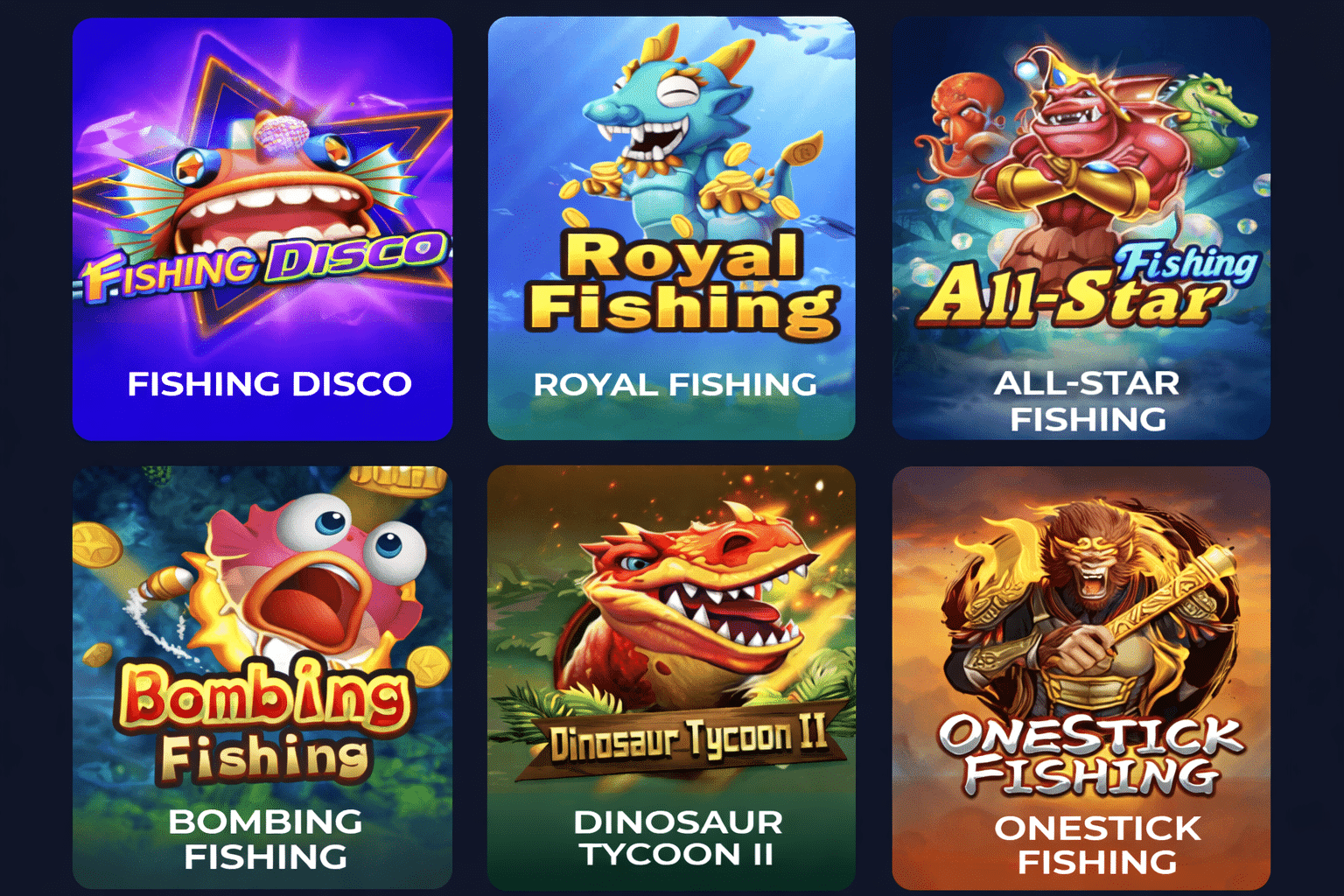
Games appear frequently on demo and informational platforms because they strike a strong balance between visual richness and structural clarity. Their layouts are well suited for showcasing how interactive elements can be displayed smoothly without overwhelming the user.
These games are especially effective at illustrating:
- Smooth animation sequences and responsive interaction flow
- Clear, target-focused interface arrangements
- Visual feedback systems that communicate actions and results instantly
- Unified design principles applied across a variety of visual themes
Because games manage to handle multiple animated components while maintaining a clean and readable screen, they serve as practical references for understanding modern digital entertainment interface design and presentation techniques.
Informational and Responsible Use
On informational and demo-focused websites, game titles such as Spirit Tide, Fighter Fire, Paradise, One Shot Fishing, Lucky Fishing, and Hero Fishing are displayed solely as interface demonstrations and design references. These presentations do not include real-money gameplay, betting mechanisms, or any form of financial involvement.
The emphasis is placed on visual composition, interface layout, and content structure, enabling users to examine and understand how such entertainment designs are built within a safe, non-transactional environment.
Conclusion
Fishing games serve as effective examples of how digital entertainment platforms blend motion, interaction, and visual balance into a cohesive interface. By applying a variety of themes and presentation styles, the six titles discussed above demonstrate practical approaches to organizing dynamic content while preserving clarity and usability.
For those exploring UI/UX design, content layout, or digital entertainment demonstrations, games function as accessible and visually engaging reference models. They allow users to study interface behavior and presentation techniques in a non-financial context, focused entirely on design and structural understanding rather than real-world value.